Maintenance

Think Tanks: There’s a right way and wrong way to fill up preview image Think Tanks: There's a right way and wrong way to fill up article image

Think Tanks: There’s a right way and wrong way to fill up

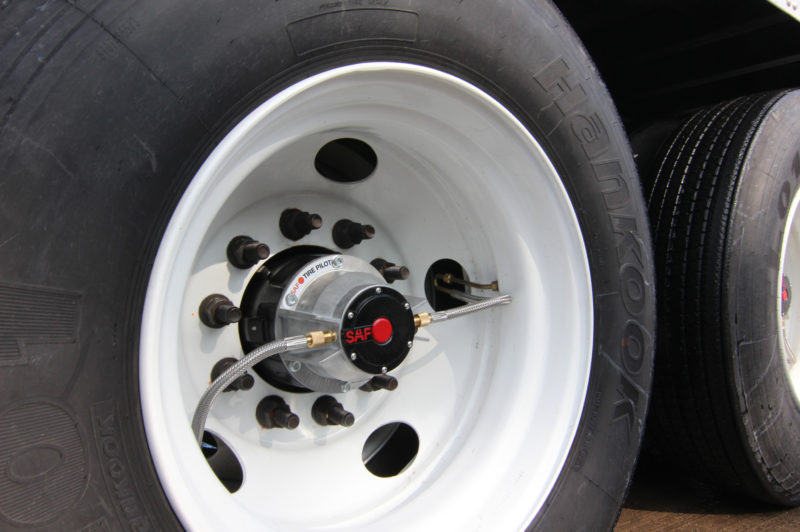
MONTREAL, Que. -- Some truck components have been around for so long that they rarely receive a second thought, and dual fuel tanks are a perfect example. Introduced to extend the range of trucks between refills, the tanks are usually mounted on opposite sides of the frame rails. But this also introduces hazards that emerge with two separate filling points.

Final mile introducing new maintenance demands preview image Final mile introducing new maintenance demands article image

Final mile introducing new maintenance demands

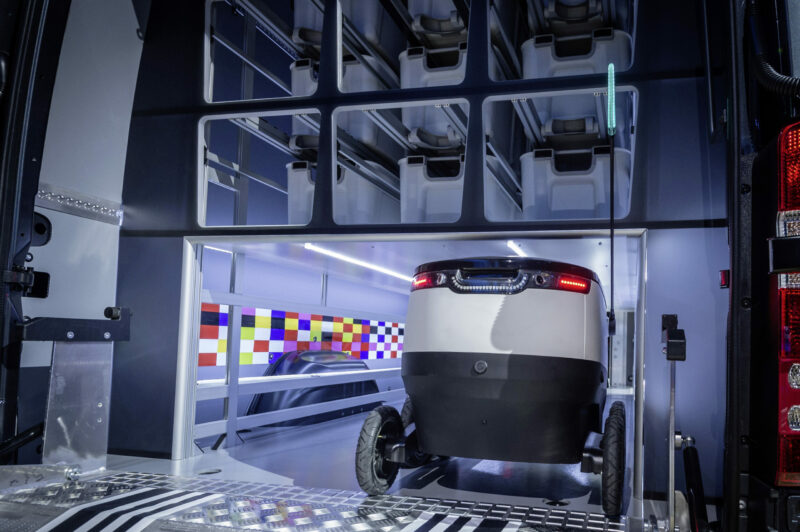
ATLANTA, Ga. – Evolving delivery models are leading to a new generation of vehicles as fleets look for new ways to serve the all-important final mile of e-commerce orders. Against the backdrop of dense urban centers that are demanding an end to emissions, the trucks and vans are also more likely than ever to be electric. “The economics of those are starting to become positive in some applications,” said Thomas Dollmeyer, Cummins’ director of electrification technology, during a panel at the annual meeting of the Technology and Maintenance Council. Electric urban buses are already economically viable, while the same could be said about electric Class 4-7 distribution vehicles as early as 2020, he said. But changes like that will lead to new challenges on the shop floor.

UPS executive challenges fleets to ‘define excellence’ preview image UPS executive challenges fleets to 'define excellence' article image

UPS executive challenges fleets to ‘define excellence’

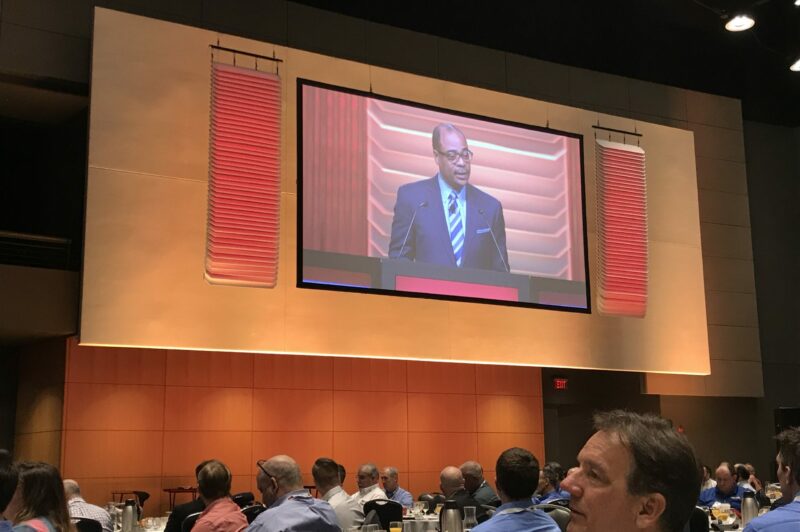
ATLANTA, Ga. -- Carlton Rose, president, global fleet maintenance and engineering at UPS, is challenging the trucking industry to define the excellence needed to realize cleaner cities, safer vehicles, and underlying technical knowledge. “If you’re the one who defines excellence, then you’re the one who shapes expertise to achieve it,” Rose said.

Expect more Run on Less from NACFE preview image Expect more Run on Less from NACFE article image

Expect more Run on Less from NACFE

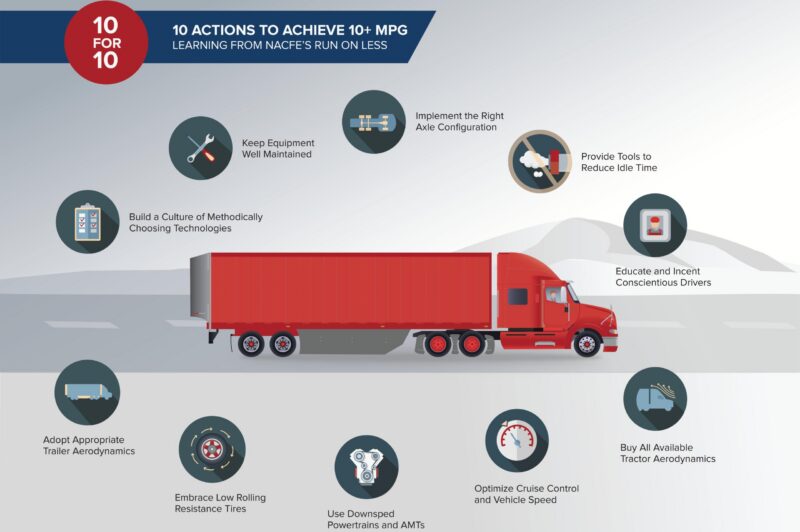
The North American Council for Freight Efficiency has unveiled a new look and redesigned website (www.nacfe.org) as it widens its focus beyond the fuel-saving equipment and components on the road today. The organization’s original goal was to promote the doubling of freight-moving efficiency. And the recent Run on Less event proved that target is “pretty practical”, said executive director Mike Roeth, during a briefing at the Technology and Maintenance Council’s annual meeting. Seven trucks participating in Run on Less proved an average of 10.1 mpg (23.3 L/100 km) is possible with existing technologies, and under real-world operating conditions. This compares to a national average of 6.4 mpg (36.75 L/100 km), and U.S. Department of Energy super trucks achieving 11-13 mpg (21.38-18.09 L/100km).